
 Sustainable building is an essential aspect of widening efforts to conceive an ecologically responsible world. A building that is sustainable must, by nature, be constructed using locally sustainable materials: i.e. materials that can be used without any adverse effect on the environment, and which are produced locally, reducing the need to travel. There are key criteria that can be used to judge whether a material is sustainable or not:
- To what extent will the materials used in this building cause damage to the environment? When using locally sustainable materials it is essential that those materials are renewable, non-toxic and, therefore, safe for the environment. Ideally, they will be recycled, as well as recyclable.
- To what extent will a building material contribute to the maintenance of the environment in years to come? Alloys and metals will be more damaging to the environment over a period of years as they are not biodegradable, and are not easily recyclable, unlike wood, for example.
- To what extent is the material used locally replenishable? If the material is locally sourced and can be found locally for the foreseeable future, travelling will be kept to a minimum, reducing harmful fuel emissions.
Contents
Sustainable Building: Finding the Right Suppliers
In order to source the right materials it will be necessary to research the possibilities in the area local to you. It may be necessary to make your needs very clear to building suppliers, who are not generally used to dealing with clients who require locally sustainable materials. Once you have done this they should be happy to help.
Sustainable Building Contractors
It is also important to communicate clearly with any contractors you use in order to ensure that they use locally sustainable materials. It is possible to specify in the contract that you require the use of locally sustainable materials. Make sure that contractors are not wasteful with materials and do not buy more than they need. A list of suppliers and contractors who use locally sustainable materials can be found easily on the internet. If your local council support sustainable building they will hold information on suitable suppliers and contractors.
Green Architects
If you need help with design use a ‘Green Architect.’ The Royal Institution of British Architects can advise you on finding a suitable practitioner.
Sustainable Building and the Law
Remember, that although there are few legal guidelines to promote the use of sustainable materials, trading standards specifies that a product must be useful for the purpose it was sold for: If you ask for sustainable materials, and are sold them, you are legally entitled to get just that!
Some wood is certified as coming from a sustainable source. This certification is legally binding.
Local, Recyclable Materials Made Simple
In order to build using locally sustainable materials you will need to be creative. It may be that what you require is not readily available in the shops, so you will have to find it or make it. Sustainable materials will ideally be recycled and recyclable and found locally… If that sounds like a lot to ask, bear in mind that if a material is recycled it is probably recyclable!
It may be possible to recycle household plastics in the building process. Somerset College, which was built using sustainable materials, includes hand basins made from old yoghurt pots and pavilions made of clay and straw. As for being local… look around you! For example, if you live near a beach it may be possible to use stones and driftwood in the building process. If you know of someone refurbishing a home, it may be able to use some of their waste, such as old floorboards, doors etc.
The Golden Oldies are often the Greenest!
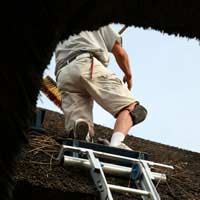
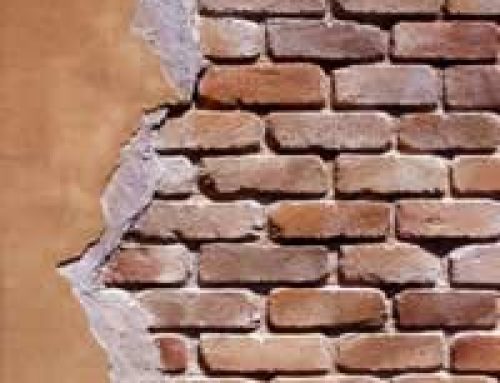
Often, old materials and building methods are more sustainable than new ones. Wattle and Daub (a system of building using compressed mud and straw) and Thatched Roofing are two examples of sustainable building methods that are rarely seen today. Practitioners of such methods can still be found via an internet search.
Experiment and Enjoy!
Building using sustainable materials is immensely rewarding. It requires ingenuity and creativity, whilst at the same time providing a sense of well being and contributing to a better environment, now and for future generations… What are you waiting for?



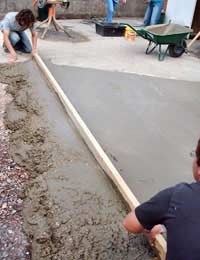


Constructing Buildings is Environmentally friendly than conventional building materials and cost effective. It provides enployment for the communities and the local people since the materials are taken from the those communities.
I am referencing some of what you say in this article in a paper, but wondered what your credentials/expertise is? I found it very interesting!
Bet you never thought this would help a student near to 8 years after it was published. Thanks.